
The political atmosphere in India is entering a phase of rapid transformation in 2026, marked by shifting alliances, rising public engagement.
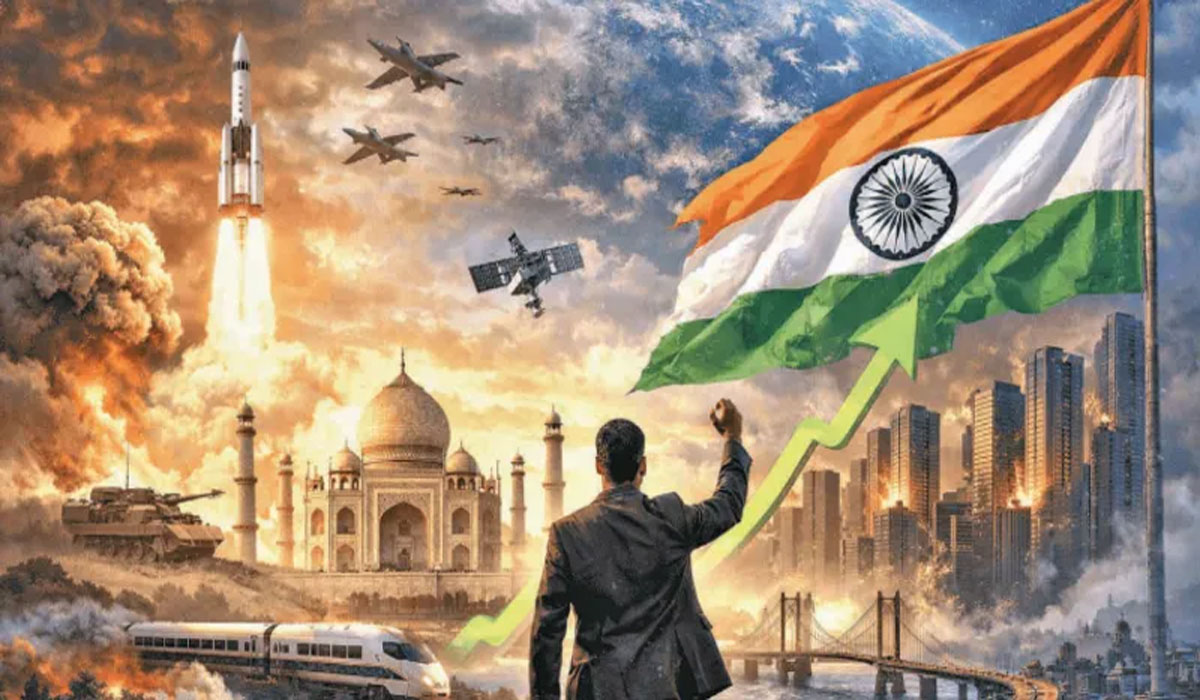
Intense debate over the country’s future direction. The political scene in 2026 reflects a country in transition, where traditional structures are being reshaped by technology, youth participation, economic pressure, and regional assertiveness. In India, this transformation is not a momentary shift but part of a longer evolution toward a more complex and dynamic democratic system. See and follow the complete information only at Net 4 India News | Indian News and Update.
The shifting landscape of Indian politics in 2026
In 2026, the political environment of India is defined by fluid alliances and evolving voter expectations. Traditional party loyalties are no longer as stable as they once were, and this has created a more competitive and unpredictable political arena. National and regional forces are constantly recalibrating their strategies to maintain relevance in a fast changing landscape.
One of the most striking developments is the increasing fragmentation of large vote banks. Communities that once voted in predictable blocs are now influenced by local leadership, digital narratives, and issue based politics. This shift has forced major political parties to rethink how they communicate and build trust with voters across different regions.
At the same time, political discourse has become more immediate and reactive. Policy announcements, speeches, and even local events are quickly amplified through digital platforms, making it difficult for leaders to control narratives for long periods. As a result, political momentum can rise or fall within days, reshaping campaigns in real time.
Youth influence and digital mobilisation
A defining force in the 2026 political climate is the growing influence of young voters. This generation is more connected, more vocal, and more willing to question traditional authority structures. Their expectations are shaped by issues such as employment, education quality, digital access, and transparency in governance.
Digital platforms have become the primary space for political engagement. Discussions that once took place in physical gatherings are now happening on social media, video platforms, and messaging groups. This has made political participation more accessible, but also more fragmented, as different narratives compete for attention simultaneously.
Political organisations have adapted by investing heavily in digital campaigns and data driven outreach. However, authenticity remains a key challenge. Young voters are quick to identify performative messaging, and they tend to respond more strongly to leaders who demonstrate consistency between words and actions.
Also Read: VIRAL! How Indian Businesses Are Dominating Global Markets in 2026
Economic pressures and policy debates
Economic concerns are at the center of political discussions across India in 2026. Issues such as inflation, job creation, rural development, and technological disruption are shaping voter priorities more than ever before. Citizens are increasingly linking their daily economic realities with national policy decisions.
Policy debates have become more complex as governments try to balance growth with inequality reduction. On one hand, there is strong emphasis on attracting investment and expanding infrastructure. On the other hand, there is growing demand for stronger social safety nets and more equitable distribution of opportunities.
These competing pressures have made economic policymaking a key battleground in political discourse. Every major decision is scrutinized not only for its immediate impact but also for its long term consequences. This has raised the stakes for policymakers, who must navigate both economic data and public sentiment simultaneously.
Coalition dynamics and regional power shifts
Coalition politics continues to play a central role in shaping governance. No single political force dominates every region, which makes alliances essential for forming stable governments. This has led to a more negotiated style of politics where compromise is often necessary for progress.
Regional parties have gained increased influence, especially in states where local identity and development issues dominate voter concerns. These parties are no longer peripheral actors but key decision makers in national discussions. Their ability to shift support between larger alliances gives them significant strategic leverage.
As a result, political power is becoming more decentralized. Decision making is increasingly shared across multiple levels of government, and regional leaders often shape national policy outcomes. This creates both opportunities for inclusive governance and challenges in maintaining policy consistency across the country.
Conclusion
The political scene in 2026 reflects a country in transition, where traditional structures are being reshaped by technology, youth participation, economic pressure, and regional assertiveness. In India, this transformation is not a momentary shift but part of a longer evolution toward a more complex and dynamic democratic system.
Image Source:
- First Image from indochem.co.id
- Second Image from halodoc.com