
India’s business landscape is undergoing a remarkable transformation, driven by innovation, entrepreneurship, and global integration.
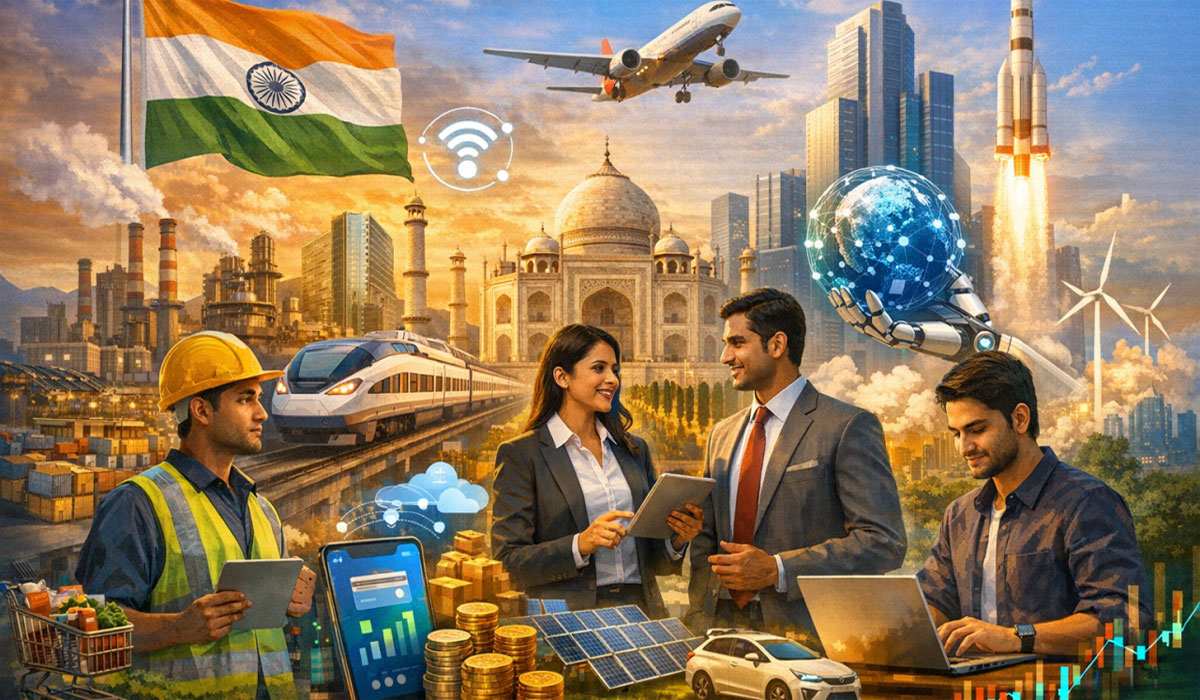
From bustling startups to multinational corporations, the country is witnessing trends that are reshaping its economy and positioning it as a global powerhouse. Understanding these trends is essential for investors, entrepreneurs, and policymakers who aim to navigate this dynamic environment. Below, Net 4 India News will provide some explanations regarding why India is the next global startup powerhouse.
The Startup Revolution
India has emerged as one of the fastest-growing startup ecosystems in the world. Cities like Bengaluru, Mumbai, and Hyderabad are buzzing with young entrepreneurs who are leveraging technology to solve everyday problems. The rise of fintech, e-commerce, and health tech startups has created new business models and employment opportunities, reshaping traditional industries.
Government initiatives like Startup India have played a crucial role in fostering innovation. By providing financial support, tax benefits, and simplified regulatory frameworks, the government encourages young innovators to take risks and develop scalable solutions. This proactive approach has accelerated the growth of startups across sectors.
Investors are also taking note of India’s startup boom. Venture capital and private equity funding have surged, enabling startups to expand rapidly. The focus is not just on urban markets; tier-2 and tier-3 cities are becoming increasingly attractive for entrepreneurs who see untapped potential in smaller, underserved markets.
Digital Transformation Across Industries
Digital technology is redefining how businesses operate in India. From cloud computing and artificial intelligence to digital payments and e-commerce platforms, companies are integrating technology to enhance efficiency and customer experience. This digital revolution has lowered entry barriers for businesses and allowed them to reach customers nationwide.
E-commerce giants and fintech platforms have particularly benefited from India’s growing internet penetration and smartphone adoption. Consumers are increasingly shopping online, using digital wallets, and engaging with apps for financial services, creating a vast ecosystem for businesses to innovate and compete.
Small and medium enterprises (SMEs) are also embracing digital tools to remain competitive. Digital marketing, online inventory management, and cloud-based accounting software help SMEs scale operations without incurring huge costs. The digital economy is enabling a level playing field where agility and innovation matter more than size or capital.
Also Read: Shock Statement! Modi Declares India Stands Firm with Israel, Here’s Why
Infrastructure and Economic Reforms

India’s business growth is closely linked to improvements in infrastructure and economic reforms. Investments in transportation, logistics, and energy have made it easier for businesses to expand and access new markets. Modern highways, ports, and smart cities are improving supply chain efficiency, reducing costs, and supporting industrial growth.
Economic reforms like the Goods and Services Tax (GST) and labor law simplifications have enhanced ease of doing business. These measures create a predictable regulatory environment and attract foreign investment, signaling India’s commitment to global trade and business transparency.
Additionally, public-private partnerships are driving infrastructure development in sectors like renewable energy, technology parks, and industrial corridors. These initiatives not only stimulate economic growth but also create opportunities for local entrepreneurs to participate in large-scale projects, further strengthening India’s business ecosystem.
Global Integration and Investment Opportunities
India’s position as an emerging global market is attracting multinational corporations and foreign investors. With a large consumer base, competitive labor costs, and growing middle-class purchasing power, India offers a strategic gateway for global businesses looking to expand in Asia.
Foreign direct investment (FDI) has increased in sectors such as manufacturing, IT services, and retail. Strategic partnerships between Indian companies and global firms are helping transfer technology, improve standards, and increase competitiveness. These collaborations create win-win opportunities for both domestic and international players.
India is also playing an active role in international trade agreements and global supply chains. By participating in initiatives that enhance cross-border trade, Indian businesses are accessing new markets and export opportunities. This global outlook positions India as not only a growth market but also a contributor to worldwide economic innovation and collaboration.
Conclusion
Rising India represents a dynamic and evolving business landscape defined by innovation, digital transformation, infrastructure development, and global integration. The startup revolution, widespread adoption of technology, economic reforms, and foreign investment opportunities are shaping the country’s trajectory as a global economic powerhouse.
For entrepreneurs, investors, and policymakers, understanding these trends is crucial to navigating India’s vibrant markets. As India continues to modernize and expand, the potential for growth, collaboration, and innovation is immense, promising a future where the country plays a central role in the global business arena.
Image Source:
First Image from: etedge-insights.com
Second Image from: coinvesting.com