
India’s business landscape is one of the fastest-growing and most dynamic in the world, offering opportunities and challenges in equal measure.
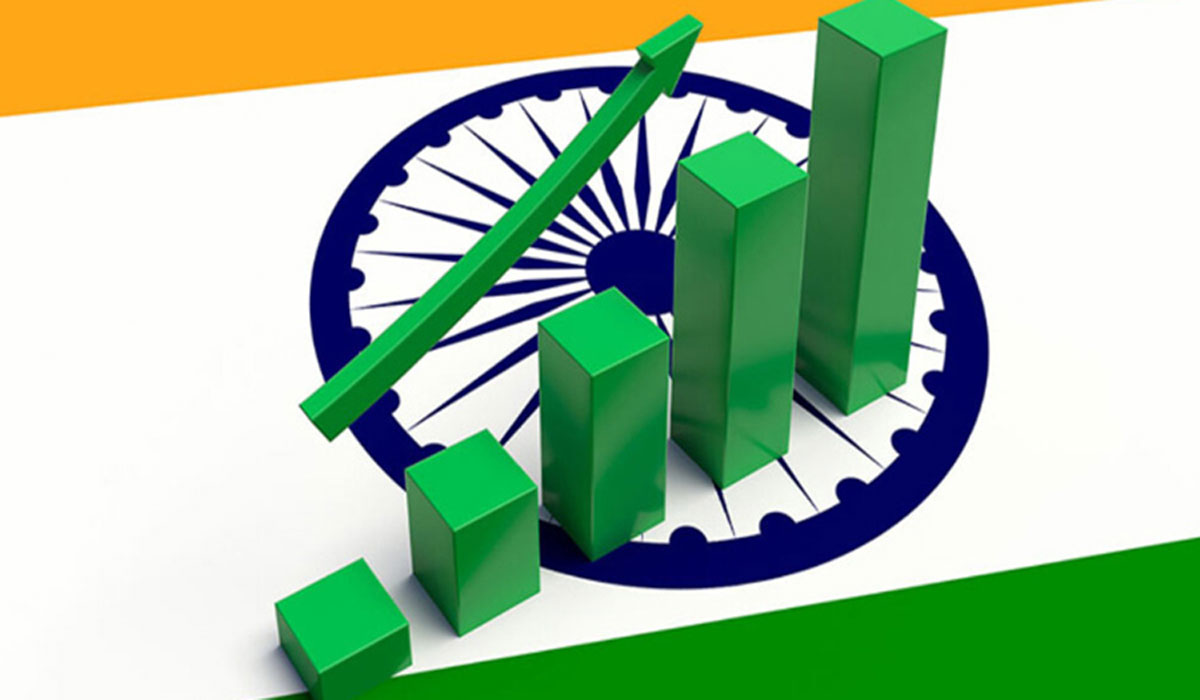
Understanding the market, consumer behavior, and regulatory environment is crucial for businesses aiming to succeed in this diverse economy. From startups to multinational corporations, companies must adapt strategies to thrive in India’s unique and evolving business ecosystem. Below, Net 4 India News will provide some explanations regarding why India is the next global startup powerhouse.
Understanding the Indian Market
India is a vast and diverse market with over 1.4 billion people, making it one of the largest consumer bases in the world. This diversity brings both opportunities and complexities, as consumer preferences, income levels, and cultural norms vary widely across regions. Companies entering the market must conduct thorough research to understand local needs and tailor products accordingly.
Urbanization and rising middle-class incomes are driving demand for quality goods and services. Sectors such as technology, healthcare, e-commerce, and renewable energy are experiencing rapid growth, attracting both domestic and foreign investment. Understanding demographic trends and urban-rural dynamics is essential to identify the right target audience and craft effective marketing strategies.
Moreover, digital penetration is reshaping consumer behavior. Mobile internet usage, online shopping, and digital payments have increased accessibility, even in smaller towns. Businesses that leverage digital platforms effectively can reach broader audiences, enhance customer engagement, and gain a competitive edge in India’s rapidly changing market.
Key Sectors Driving Growth
Several sectors are fueling India’s economic growth and attracting investor attention. The technology and IT services industry remains a cornerstone, contributing significantly to exports, employment, and innovation. Companies specializing in software development, fintech, and artificial intelligence are particularly well-positioned to capitalize on global demand.
The manufacturing sector, supported by initiatives like “Make in India,” is also expanding. Investments in infrastructure, logistics, and skill development aim to enhance production capabilities and attract foreign direct investment. Sectors such as automobiles, electronics, and pharmaceuticals are benefiting from these policies, creating opportunities for both domestic and international businesses.
Healthcare and renewable energy sectors are likewise experiencing robust growth. Rising awareness of health, environmental concerns, and government incentives encourage innovation in these areas. Companies focusing on sustainable practices and technological solutions are positioned to succeed while contributing to India’s long-term development goals.
Also Read: India’s Pickup Imports Face Fierce Labor Opposition, Here’s Why!
Navigating Regulatory and Business Challenges
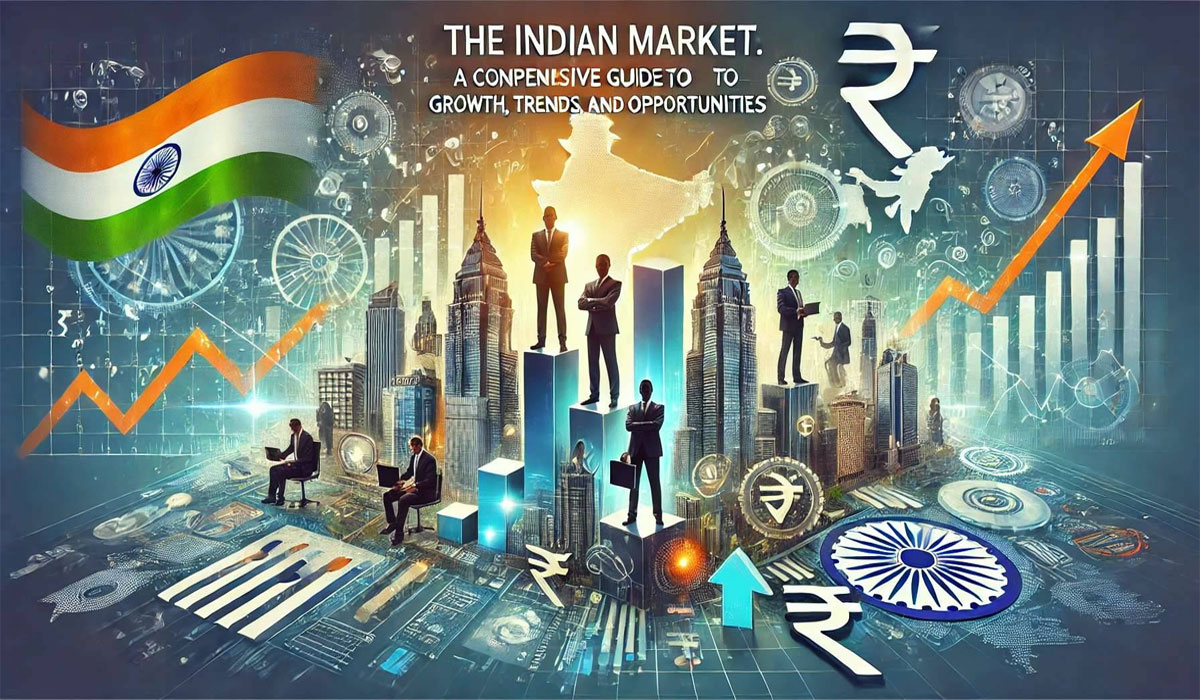
While opportunities abound, doing business in India requires navigating a complex regulatory environment. Compliance with local laws, taxation, labor regulations, and environmental standards is essential to avoid legal complications and maintain sustainable operations. Companies must stay informed about policy changes and engage with regulatory authorities proactively.
Cultural differences and regional diversity also pose challenges. Business practices, negotiation styles, and consumer behavior can vary widely across states. Successful companies invest in local expertise, hire culturally aware teams, and adapt strategies to regional preferences, ensuring effective engagement with both customers and partners.
Competition is intense, both from domestic firms and international players. Differentiation through innovation, quality, and customer experience is critical. Companies that continuously monitor market trends, competitor activity, and consumer expectations can respond swiftly and maintain a competitive advantage in India’s dynamic business environment.
Embracing Innovation and Digital Transformation
Innovation and digital transformation are central to success in the Indian market. Businesses that integrate technology into operations, marketing, and customer engagement can improve efficiency, reduce costs, and create unique value propositions. Digital tools like analytics, AI, and cloud solutions empower companies to make data-driven decisions and optimize performance.
E-commerce and digital marketing are particularly impactful. India’s growing online population offers immense potential for companies that leverage social media, mobile apps, and digital advertising effectively. Building strong digital presence enhances brand visibility and facilitates direct interaction with consumers, fostering loyalty and long-term growth.
Collaboration and partnerships are also key. Indian businesses increasingly seek joint ventures, strategic alliances, and startup collaborations to access new technologies, share risks, and expand market reach. Companies that embrace innovation and agility are better equipped to navigate challenges and capitalize on India’s evolving opportunities.
Conclusion
India’s market is a land of immense opportunity, shaped by diversity, innovation, and rapid economic growth. Understanding the consumer base, targeting high-growth sectors, navigating regulatory complexities, and embracing digital transformation are essential strategies for success.
Businesses that invest in market research, technology adoption, and culturally informed strategies can build sustainable growth and competitive advantage. By combining innovation, adaptability, and strategic foresight, companies can not only thrive in India’s dynamic business landscape but also contribute to shaping the country’s economic future.
Image Source:
First Image from: etedge-insights.com
Second Image from: coinvesting.com