
The rapid rise of digital technology across India is often celebrated as a seamless success story, but behind the impressive growth.
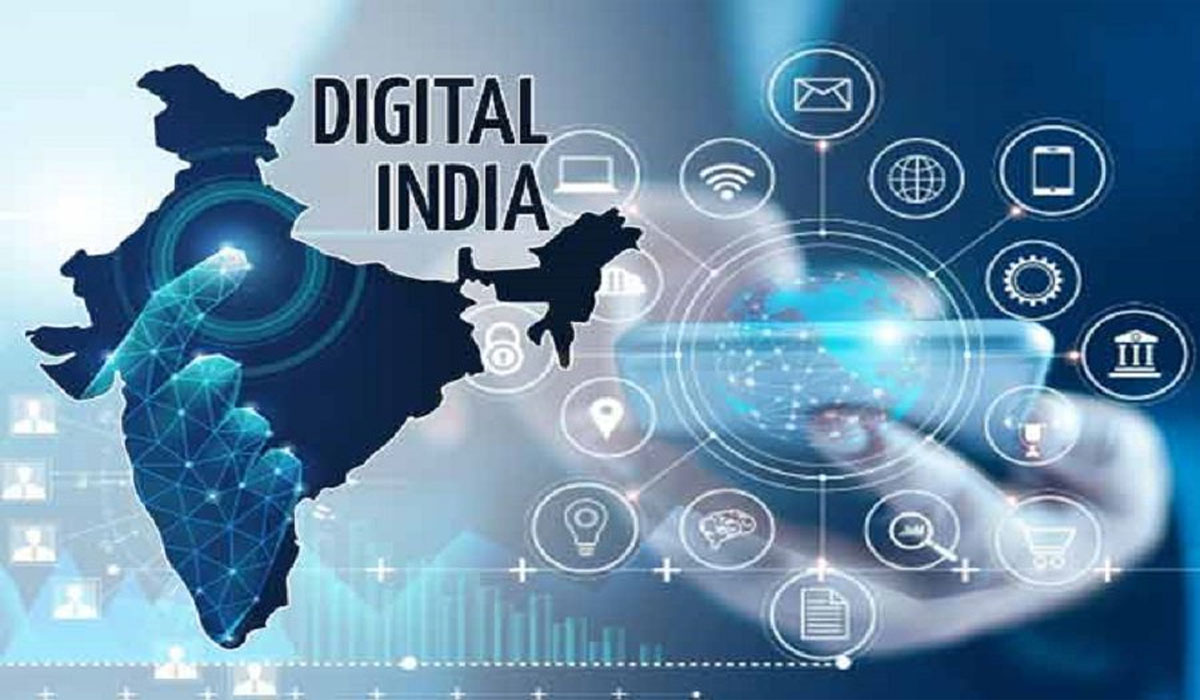
From massive infrastructure expansion and government-led initiatives to uneven access and emerging challenges, the digital transformation boom is reshaping the country in ways that go far beyond convenience and innovation. Understanding this shift reveals not only the progress being made, but also the hidden gaps, pressures, and unanswered questions that define the true story behind the digital revolution. See and follow the complete information only at Net 4 India News | Indian News and Updat.
A Nation Entering a Digital Age
The digital shift across India has not happened overnight but through years of layered development that gradually changed how people interact with technology. What once felt like a slow modernization process has now become a large scale movement affecting cities, towns, and rural regions alike. This transformation is not limited to technology companies but extends into daily life, governance, and commerce.
One of the most striking aspects of this change is how quickly digital tools have become part of everyday routines. Payments, communication, education, and even public services have moved into digital environments at a pace that has surprised many observers. This shift has created a situation where digital access is no longer optional but increasingly essential for participation in modern society.
At the same time, this rapid evolution has created a wide spectrum of adoption. While many urban regions are deeply integrated into digital ecosystems, some rural areas are still adapting to the infrastructure required for full participation. This contrast highlights both the progress and the ongoing challenges within the broader transformation journey.
Infrastructure That Powers the Transformation
Behind the visible digital revolution lies a complex network of infrastructure that makes everything possible. Data centers, mobile networks, fiber optic expansion, and cloud services form the backbone of the system. Without these foundational elements, the visible progress in apps and services would not be sustainable or scalable.
The expansion of connectivity has played a crucial role in bridging gaps between different regions. Faster internet speeds and wider coverage have allowed more people to access digital services than ever before. This increased connectivity has also enabled businesses to reach customers in previously inaccessible markets, expanding economic opportunities across regions.
However infrastructure growth also brings its own set of challenges. Maintaining consistent quality, ensuring affordability, and managing energy demands are ongoing concerns. As demand for digital services continues to rise, the pressure on infrastructure systems increases, requiring continuous innovation and investment to keep pace with growth.
Also Read: The Rapid Growth Of Telecommunications Business In India
Economic Shifts Driven by Digital Systems
The digital transformation within India has significantly influenced economic structures across multiple industries. Traditional business models are being replaced or enhanced by digital platforms that offer greater reach and efficiency. This shift has created new opportunities for startups while also pushing established companies to adapt quickly.
One of the most visible changes is the rise of digital payment systems. Cashless transactions have become increasingly common, reducing friction in commerce and improving financial inclusion. This has allowed small businesses and individual entrepreneurs to participate more actively in the formal economy, expanding their customer base beyond local boundaries.
At the same time, the digital economy has introduced new forms of competition and disruption. Companies that fail to adapt to digital trends risk falling behind, while those that embrace innovation often experience rapid growth. This dynamic environment has made adaptability one of the most important factors for long term success in the modern economy.
Society and Behavior in a Connected World
Digital transformation is not only changing systems but also reshaping human behavior. People are spending more time interacting through digital platforms for work, education, and social communication. This shift has altered how relationships are formed and maintained in both personal and professional contexts.
Access to information has also become more immediate and widespread. Knowledge that once required significant effort to obtain is now available within seconds. While this has empowered individuals in many ways, it has also created challenges related to information overload and digital dependence. Managing attention has become a critical skill in this environment.
Education systems are also evolving in response to digital integration. Online learning platforms and digital classrooms have expanded access to education, especially in remote areas. However, this transition also highlights the importance of digital literacy, as not all learners have equal access to tools or the skills needed to fully benefit from these resources.
Conclusion
The digital transformation unfolding within India represents a powerful shift that goes far beyond technology alone. It is a structural change affecting the economy, society, and everyday life in profound ways. While the progress has been remarkable, it is still an ongoing journey shaped by both opportunity and challenge. The future will depend on how well infrastructure, innovation, and inclusion continue to evolve together.
Image Source:
- First Image from cnnindonesia.com
- Second Image from gizmologi.id