
India is undergoing a technological transformation unlike anything the world has seen before From rural villages to bustling urban centers.
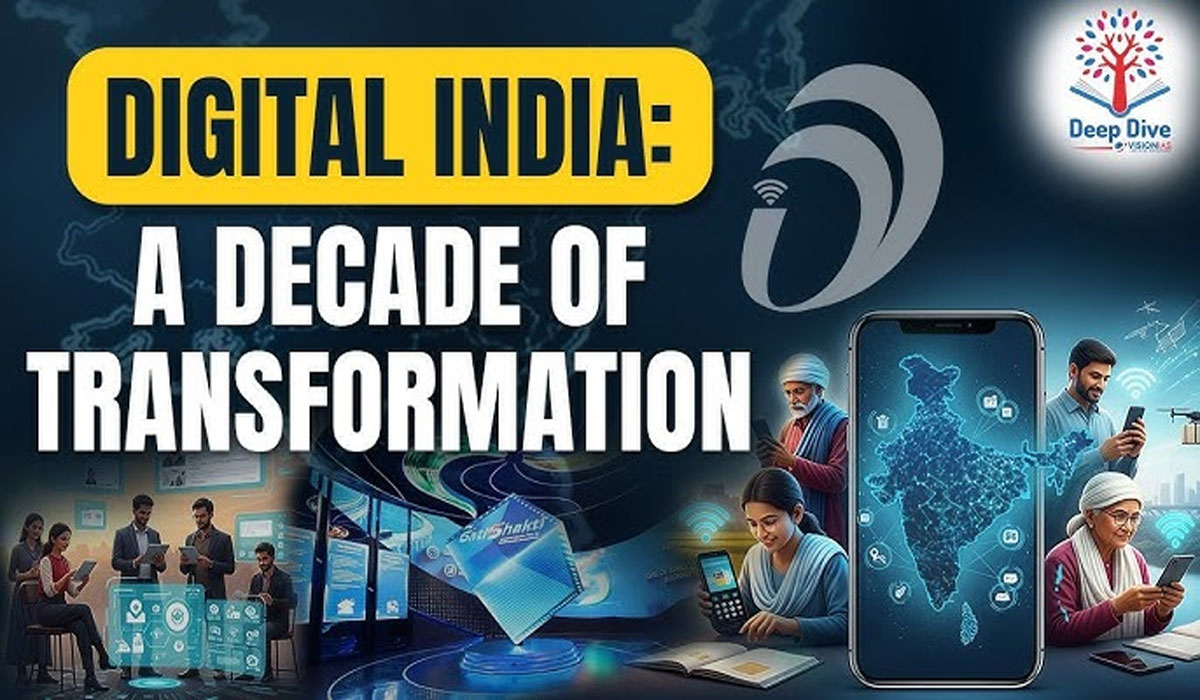
Digital technology is reshaping every aspect of life how people communicate, do business, access services, and even participate in government. The speed and scale of this digital revolution are shocking, and its impact will be felt for generations to come. Below, Net 4 India News will provide some explanations regarding why India is the next global startup powerhouse.
Digital Infrastructure: Connecting Millions
One of the driving forces behind India’s digital revolution is its rapidly expanding digital infrastructure. Over the past decade, millions of households and businesses have gained access to high-speed internet and mobile networks. Initiatives like BharatNet aim to connect rural areas to the internet, ensuring that even remote communities can participate in the digital economy.
Mobile technology has also played a transformative role. Affordable smartphones and extensive mobile network coverage have brought millions online for the first time. This access allows people to communicate, access information, and engage in e-commerce, opening up economic opportunities that were previously unimaginable.
Moreover, digital payments and banking infrastructure have revolutionized financial inclusion. Platforms like UPI, Paytm, and other fintech innovations allow users to make transactions instantly and securely. The result is a more connected, efficient, and inclusive financial system that empowers citizens and businesses alike.
E-Governance and Public Services
Technology is not only changing business and communication it is also reshaping government and public services. India’s push for e-governance has made it easier for citizens to access government schemes, pay taxes, and complete administrative tasks online. Initiatives such as DigiLocker and UMANG app reduce paperwork, save time, and increase transparency.
E-governance has also helped improve the delivery of social welfare programs. By digitizing records and using direct benefit transfers, the government ensures that subsidies, pensions, and grants reach the intended recipients efficiently. This reduces fraud and corruption, making public services more accountable and effective.
Additionally, smart city projects are integrating digital tools into urban planning. Traffic management systems, smart meters, and real-time monitoring of public utilities create more livable and efficient cities. This combination of digital infrastructure and e-governance demonstrates how technology can profoundly improve both civic life and government efficiency.
Also Read: Modern Lifestyle Trends in Inda: A Stylish and Efficient Way of Living
Business and Economic Transformation
India’s digital revolution is having a major impact on business and the economy. Startups and tech companies are leveraging digital platforms to disrupt traditional industries, from finance to retail to healthcare. The rise of e-commerce platforms like Flipkart and Amazon India has transformed how consumers shop, while fintech solutions are redefining how people manage money.
Digital tools are also empowering small businesses. Cloud computing, online marketing, and data analytics enable even microenterprises to reach customers, streamline operations, and compete with larger firms. By lowering barriers to entry, digital transformation fuels entrepreneurship and economic growth across the country.
Furthermore, India is becoming a global hub for IT services and innovation. With a skilled workforce and robust tech ecosystem, the country exports software, solutions, and digital expertise worldwide. This digital-driven growth contributes to GDP, creates jobs, and strengthens India’s position in the global economy.
Education and Social Impact
The digital revolution is reshaping education and social opportunities in India. Online learning platforms, digital classrooms, and virtual tutoring have made quality education accessible to students in remote and underserved areas. Platforms like Byju’s and Unacademy allow learners to access resources that were once limited to urban centers or elite institutions.
Social impact is also evident in healthcare and awareness campaigns. Telemedicine and mobile health apps provide remote consultations, bridging the gap between patients and medical professionals. Awareness campaigns on digital platforms educate people about health, finance, and civic responsibilities, enhancing public knowledge and participation.
Moreover, technology has amplified the voices of communities and marginalized groups. Social media platforms and digital forums allow people to advocate for rights, share stories, and participate in democracy. This empowerment fosters social inclusion and enables citizens to contribute actively to societal change.
Conclusion
India’s digital revolution is not just about technology it is a profound transformation affecting every aspect of life. From connecting millions through infrastructure and digital payments to enhancing governance, transforming business, and empowering education, technology is reshaping the nation in ways that are both shocking and inspiring.
As India continues to innovate and embrace digital tools, it sets a powerful example for the world, demonstrating how technology can drive growth, inclusion, and opportunity on an unprecedented scale. The digital age in India is not coming it is already here, and its impact will be felt for decades to come.
Image Source:
First Image from: etedge-insights.com
Second Image from: coinvesting.com