
Artificial intelligence is transforming the healthcare industry by redefining how diseases are diagnosed and treatments are planned.
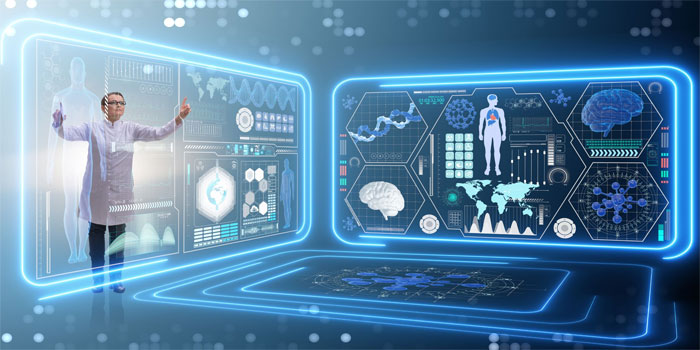
Traditional healthcare methods, while effective, often rely on human interpretation of complex data, which can lead to delays or misdiagnoses. AI-powered solutions now offer the ability to analyze vast amounts of medical information quickly and accurately, enabling healthcare providers to make more informed decisions for patients.
This technological shift is not just about efficiency; it is about improving outcomes and saving lives. By leveraging machine learning algorithms, AI systems can detect patterns in medical data that may be invisible to the human eye, offering earlier intervention opportunities and more precise treatment planning. Below, Net 4 India News | Indian News and Updat… will discuss further.
The Role of AI in Diagnostics
AI is increasingly used in diagnostics to identify diseases at earlier stages. Machine learning models are trained on thousands or even millions of patient records, including imaging data, genetic information, and lab results. By analyzing these datasets, AI can recognize subtle indicators of conditions such as cancer, cardiovascular disease, or neurological disorders.
The advantage of AI in diagnostics lies in its ability to process and compare large amounts of data rapidly. For example, AI algorithms can detect tiny anomalies in imaging scans that a human radiologist might overlook. These insights allow clinicians to intervene sooner, increasing the likelihood of successful treatment.
AI in Imaging and Radiology
Medical imaging is one area where AI has shown remarkable promise. Algorithms can identify tumors, lesions, or other abnormalities in X-rays, CT scans, and MRIs with high accuracy. This not only reduces diagnostic errors but also accelerates the process, allowing patients to receive timely care.
In addition, AI can prioritize critical cases, ensuring that the most urgent patients receive attention quickly. Hospitals using AI-assisted imaging tools report shorter wait times, improved patient outcomes, and reduced workload for radiologists.
Predicting Treatment Outcomes
Beyond diagnostics, AI is revolutionizing how treatment plans are developed. Predictive analytics allows healthcare providers to forecast how a patient might respond to a specific treatment based on their medical history, genetic profile, and current condition. This enables personalized medicine, where therapy is tailored to the individual rather than relying on generalized protocols.
For example, AI systems can predict which cancer patients are most likely to benefit from certain chemotherapy regimens or immunotherapy. This reduces unnecessary treatments, minimizes side effects, and optimizes resource allocation within healthcare facilities.
Also Read: The Rise Of Emerging Technologies: What To Expect Next
AI in Rare Disease Detection
Rare diseases often present unique challenges for diagnosis due to limited data and complex symptoms. AI can overcome these challenges by learning from global datasets and identifying correlations that may not be obvious. Machine learning models can flag potential rare conditions early, allowing for prompt intervention and better management of the disease.
This capability is particularly valuable in pediatric care, where early detection can significantly improve long-term outcomes. AI tools assist clinicians in interpreting unusual symptom patterns and suggest diagnostic tests that might otherwise be overlooked.
Integration with Electronic Health Records
AI thrives on data, and electronic health records provide a rich source of information. By integrating AI with EHR systems, hospitals can automatically analyze patient histories, lab results, and clinical notes to support decision-making. This integration helps identify risk factors, recommend preventive measures, and streamline treatment planning.
Clinicians benefit from AI-powered insights that highlight patterns or potential complications, enabling proactive care and reducing the likelihood of medical errors. Patients experience more coordinated and personalized treatment, resulting in higher satisfaction and better health outcomes.
Ethical Considerations and Challenges
While AI offers significant advantages, its adoption in healthcare raises ethical and regulatory considerations. Data privacy, algorithm transparency, and bias mitigation are critical factors that must be addressed. Healthcare providers must ensure that AI systems are trained on diverse and representative datasets to avoid disparities in care.
Regulatory oversight is also essential to maintain patient safety. Governments and industry bodies are developing guidelines to ensure AI tools meet rigorous standards before deployment in clinical settings. By balancing innovation with ethical responsibility, AI can continue to advance without compromising patient trust.
The Future of AI in Healthcare
The potential for AI in healthcare diagnostics and treatment prediction is immense. As algorithms become more sophisticated and datasets grow richer, AI will play an increasingly central role in patient care. From detecting diseases earlier to recommending personalized therapies, AI will support clinicians in delivering higher-quality, more efficient, and more equitable healthcare.
Healthcare providers and technology developers must collaborate closely to ensure that AI solutions are practical, safe, and ethical. The ultimate goal is to create a system where AI complements human expertise, allowing doctors to focus on patient interaction, compassion, and complex decision-making while AI handles data-intensive analysis.