
India in 2026 stands as one of the most striking examples of rapid digital transformation in the modern world From bustling metropolitan.
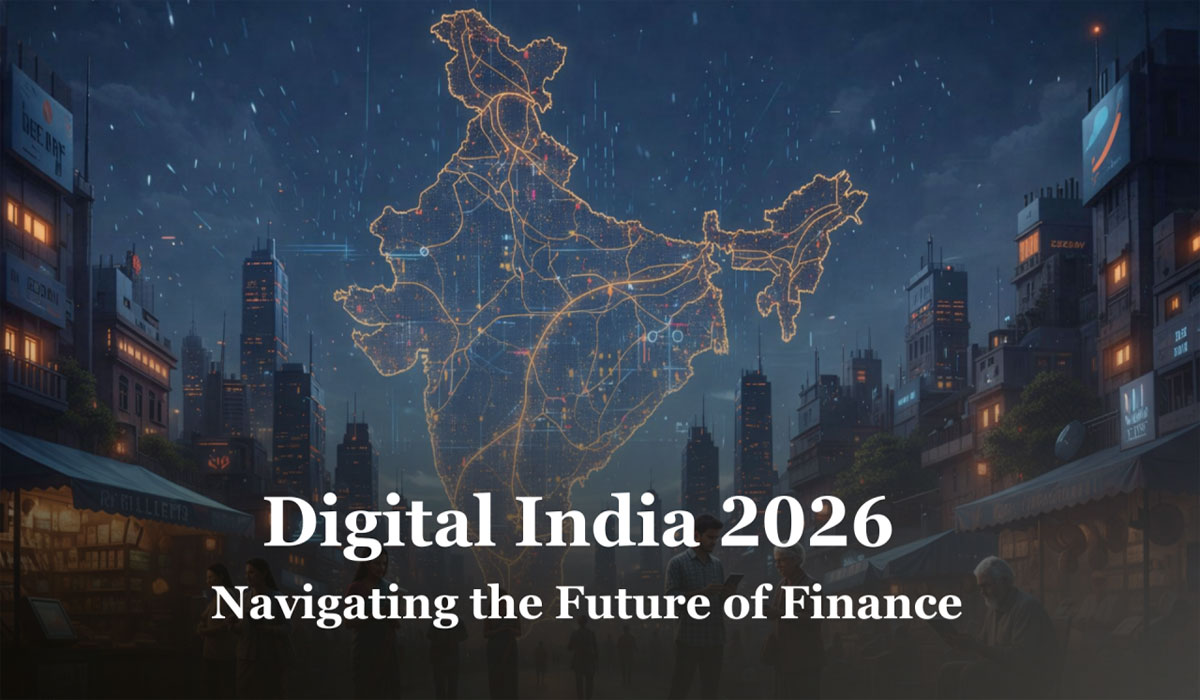
Cities to remote rural villages, digital technologies are reshaping how people live, work, learn, and interact. What was once considered a gradual shift has now become a powerful nationwide movement driven by innovation, policy support, and widespread technology adoption. This transformation is not only changing industries but also redefining everyday life for millions of people. See and follow the complete information only at Net 4 India News | Indian News and Updat.
The Foundation of India’s Digital Revolution
India’s digital transformation journey is built on strong foundational initiatives that began over the past decade. Government programs focusing on digital infrastructure, online services, and financial inclusion have played a major role in creating a connected ecosystem. These efforts have made technology more accessible to people across different socioeconomic backgrounds.
One of the most significant developments is the expansion of internet connectivity. Affordable mobile data and widespread smartphone usage have allowed even rural populations to access digital services. This has bridged the gap between urban and rural communities, creating new opportunities for communication and economic participation.
In addition, digital identity systems and online governance platforms have streamlined public services. Citizens can now access documents, apply for services, and complete transactions without physical visits to government offices. This shift has significantly improved efficiency and reduced bureaucratic delays.
The Rise of Digital Economy and Financial Inclusion
India’s digital economy has grown rapidly, becoming a key driver of national development. E commerce platforms, digital payments, and online marketplaces have transformed the way businesses operate. Small vendors and large corporations alike are now part of a unified digital marketplace.
The introduction of digital payment systems has been a game changer. Millions of people now use mobile wallets and unified payment platforms for daily transactions. This shift has reduced reliance on cash and increased transparency in financial activities across the country.
Financial inclusion has also expanded significantly. People who previously had limited access to banking services are now able to open accounts, transfer money, and access credit through digital platforms. This has empowered individuals and small businesses to participate more actively in the economy.
Also Read: Is India Desperate? Buying Iranian Oil After 7 Years, Here’s Why!
Education, Healthcare, and Digital Accessibility
Education in India has undergone a major transformation due to digital technologies. Online learning platforms, virtual classrooms, and educational apps have made knowledge more accessible than ever before. Students from different regions can now access the same quality of learning resources.
Healthcare services have also benefited from digital innovation. Telemedicine platforms allow patients to consult doctors remotely, reducing the need for physical hospital visits. This is especially valuable in rural areas where medical facilities may be limited.
Digital accessibility has become a priority in recent years. Efforts are being made to ensure that technology is inclusive and usable for people with different abilities. Voice assisted tools, regional language support, and simplified interfaces are helping more people engage with digital services.
Innovation, Startups, and Global Influence
India’s startup ecosystem has become one of the most dynamic in the world. Thousands of new companies are emerging in fields such as artificial intelligence, fintech, health tech, and green technology. This wave of innovation is contributing significantly to the country’s digital growth.
Government support and investment opportunities have encouraged entrepreneurs to build scalable solutions. Incubation centers and funding programs have made it easier for startups to turn ideas into successful businesses. This environment has created a culture of creativity and experimentation.
On a global scale, India is increasingly recognized as a major technology hub. Indian companies and professionals are contributing to international projects and innovations. This global presence highlights the country’s growing influence in the digital economy.
Conclusion
India’s digital transformation in 2026 is a powerful example of how technology can reshape an entire nation. From infrastructure and financial systems to education, healthcare, and innovation, every sector is experiencing significant change.
This rapid progress is not only improving efficiency and accessibility but also creating new opportunities for millions of people. As India continues to advance digitally, it is positioning itself as a leading force in the global technology landscape, with a future full of possibilities and continued growth.
Image Information Source:
- First Image of www.instamojo.com
- Second Image of www.instamojo.com